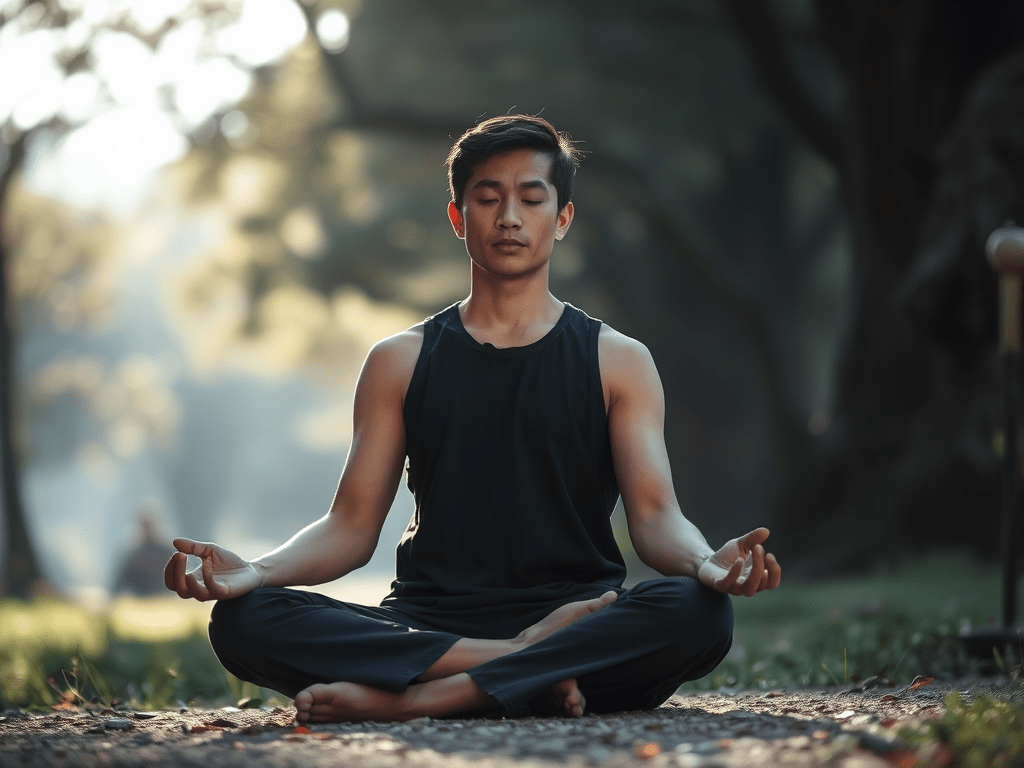
It is easy to turn practice into a performance.
We learn how it is supposed to look.
How calm we should appear.
How centered our voice should sound.
Even Zen can become something we put on.
We sit straighter than we feel.
We breathe deeper than is natural.
We try to look like someone who has it together.
Applied Zen invites us to notice this gently, without embarrassment. The moment practice becomes a performance, presence quietly steps aside.
Presence begins when the need to look spiritual falls away.
Performance is not a moral failure. It is a human instinct. We learn early that approval brings safety. That being seen a certain way protects us. Over time, this instinct slips into spiritual life. We start practicing for an audience, even if that audience lives only in our own mind.
But Zen is not impressed.
Zen does not ask how you appear. It asks if you are here.
When practice stops performing, something honest happens. The breath becomes uneven. The body relaxes out of posture. Thoughts keep moving. Emotions show up uninvited. Instead of correcting any of this, Applied Zen asks you to stay.
Staying is the practice.
At Enlightened Life Fellowship, we speak of Zen as something lived in real life, not curated for display. Real life includes distraction. Awkwardness. Restlessness. Doubt. Practice does not begin after these pass. It begins inside them.
Performance tries to manage experience.
Presence allows experience.
When you stop trying to look calm, you might notice how tense you actually are. When you stop trying to sound wise, you might hear uncertainty in your own voice. This is not regression. This is contact.
Contact is what practice is made of.
Zen Buddhism has never been about appearing awakened. It has always been about waking up to what is happening. That waking up cannot be performed. It can only be experienced.
The moment you notice yourself performing, you do not need to correct it. Just notice. That noticing is already presence. There is no need to judge yourself for wanting to look composed or enlightened. Simply see it.
And then stay.
When performance drops, effort softens. The nervous system settles because it no longer has to hold an image together. Breathing becomes more honest. Attention becomes less strained. You are no longer practicing for a result or a role.
You are practicing because you are alive.
This shift often feels vulnerable. Without performance, there is no script. No assurance you are doing it right. Zen offers no applause here. It offers companionship. The quiet companionship of the breath, the body, the moment unfolding.
That is enough support.
In daily life, letting practice stop performing may look like allowing yourself to be quiet without being profound. Letting your meditation be messy. Letting your spiritual language be simple. Letting yourself not know.
Presence does not require polish.
When practice stops performing, it becomes sustainable. You no longer have to maintain an image. You no longer have to measure your progress. You simply return, again and again, as you are.
This is not lowering the bar.
It is removing the stage.
Zen does not ask you to become someone else. It asks you to meet yourself honestly. When you stop performing, that meeting becomes possible.
Notice what happens when you let practice be unremarkable. When you let it blend into your actual life. When you allow yourself to show up without costume or posture.
Presence does not need witnesses.
It only needs willingness.
And that willingness is already here, waiting quietly, once the performance ends.
 Enlightened Life Fellowship